Autumn Budget: Healey weighs slashing fiscal headroom to reduce tax hikes

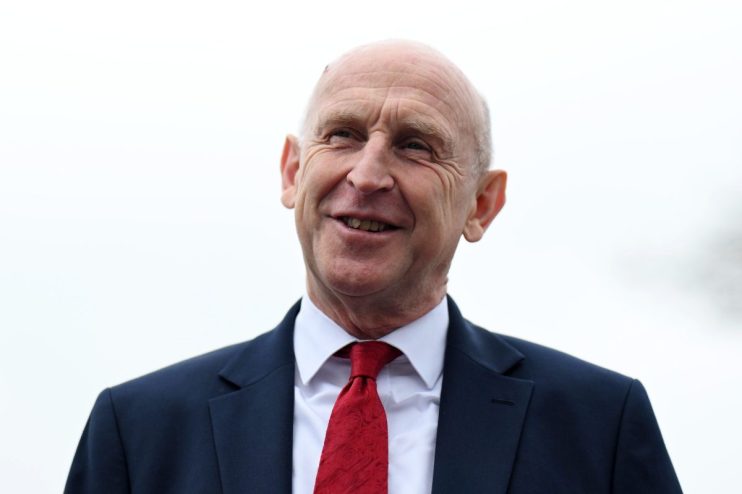
Chancellor John Healey is debating accepting a smaller fiscal buffer in order to reduce tax hikes in next month’s Autumn Budget.
The Treasury and No 10 are in active discussions over whether to set a lower buffer in the Budget than the Office for Budget Responsibility set in March, according to reports in the Financial Times.
The move would allow the government to soften tax increases and spending cuts on 28 October.
The government’s key fiscal rule requires day-to-day spending to be covered by revenues by the 2029/30 financial year.
In March, the fiscal watchdog estimated that former chancellor Rachel Reeves would reach that target with a buffer of £23.6bn.
Gilt investors weigh in
Some gilt investors are now arguing the surge in yields caused by the war in Iran have made it unrealistic for Healey to build the headroom back to that level.
But others think a headroom of less than £20bn could be a problem, arguing the government should instead hold itself to the OBR’s prediction.
Healey has previously said he will meet his fiscal rules with a “buffer against uncertainty” but failed to specify a target size, while final decisions on headroom will not be confirmed until nearer to the Budget.
Government figures are preparing to argue that maintaining March’s buffer is unnecessary in the wake of borrowing and energy costs rising sharply.
Economic impact
The debate to lower the headroom comes amid rising economic concerns caused by the conflict in the Middle East.
Earlier this week Andy Burnham admitted he is “conscious” of the fact Labour has already hiked taxes twice in recent years in order to raise revenue.
Spending cuts are also being considered as the conflict drags on, but those to public services are likely to be resisted by Labour backbenchers.
Welfare reform plans have already been pushed back to 2027 as Burnham looks to avoid another backbench revolt.
Healey’s headroom will also be impacted by additional spending commitments, including the Defence Investment Plan.
The Treasury is reportedly considering placing a higher tax burden on wealth in order to fund spending, including imposing a bank levy, increasing capital gains tax and lowering the ‘mansion tax’ threshold from £2m to £1.5m.
A Treaury spokesperson said: “We do not comment on rumour, speculation or anonymous claims regarding the fiscal headroom.”