Apple faces UK crackdown over iPhone contactless payments
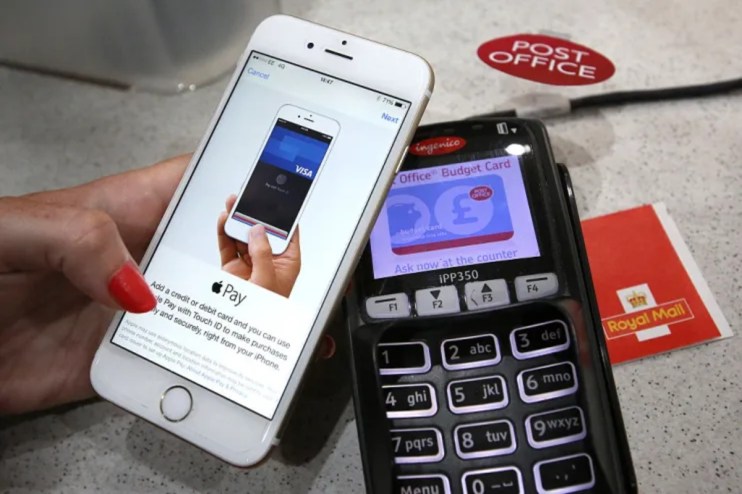
Apple could be forced to slash the fees it charges rival payment providers and loosen its grip on iPhone contactless technology under new proposals unveiled by Britain’s competition watchdog.
The Competition and Markets Authority (CMA) said on Tuesday that Apple’s high fees and restrictive terms were stifling competition, preventing businesses from developing alternatives to Apple Pay.
The watchdog has proposed requiring the US tech giant to open up its near-field communication (NFC) technology, which enables contactless payments, on fairer commercial terms.
It expects access charges to fall substantially, although it stopped short of proposing a fixed price.
“We have heard that high fees, strict terms, and technical restrictions relating to Apple’s contactless technology make it too difficult for challengers to innovate and compete”, said CMA chief executive Sarah Cardell.
“By removing barriers to entry, we can help create the conditions for brilliant British businesses with great ideas to develop new products and services here”.
The move could allow iPhone users to make contactless payments through rival apps rather than relying on Apple Pay, while opening up the technology for digital IDs, travel passes and car keys.
Apple rivals welcome ‘promoting competition’
The fintech and banking industry have welcomed the crackdown from the watchdog expecting it to broaden competition in the contactless payments network.
“The CMA’s direction creates a real opportunity for UK fintechs to compete on an equal footing with Big Tech,” said David Tirado, chief commerical officer at Revolut.
Adam Jackson, chief strategy officer at fintech industry body Innovate Finance, said: “Opening access to these can support competition and further innovation across fintech products including payments”.
Apple introduced a system allowing third-party developers to access its contactless technology in Britain in 2024, but the CMA said no rival wallet-type product had launched through the arrangement.
However, alternative payment services from providers including Paypal and Klarna have launched in the EU following regulatory intervention.
“Digital wallets are becoming an increasingly important way for people to pay, so we welcome the CMA’s focus on promoting effective competition in this area,” a spokesperson for banking trade body UK Finance said.
They added the open access to NFC functionality on Apple’s operating systems would support innovation “reduce reliance on a single wallet provider.”
The watchdog is proposing that Apple support both major international NFC standards, rather than the single approach currently available to UK developers.
It would also require Apple to justify its access charges against principles covering costs, value and fairness, with the CMA expecting fees to be substantially lower than current levels.
An Apple spokesperson said: “We do not believe the CMA should require Apple to adopt an approach with lower privacy and security protections. We will continue to engage constructively to reach an outcome that is in the best interest of our users.”