Andrew Bailey says Bank of England ‘not out of firepower’

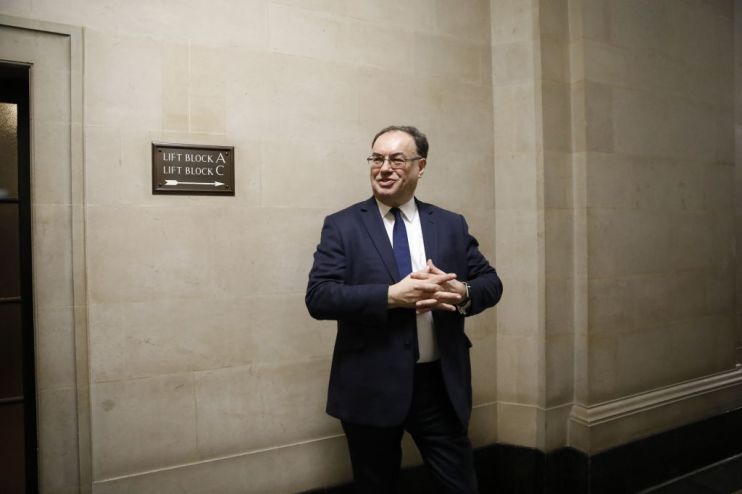
Bank of England governor Andrew Bailey has said the central bank is “not out of firepower” with which to tackle the coronavirus downturn “by any means”.
In fact it seemed like the Bank underestimated the amount of firepower it had left before coronavirus hit, the governor told the online Jackson Hole economic policy symposium.
Yet he said it was important that central banks appreciate the need to make sure they have enough “headroom” to deal with future crises.
Bailey suggested that the BoE and others should at some point think about reducing the stock of government bonds they bought through quantitative easing to ensure they can “go big and go fast” to tackle future crises.
The speech came the day after US Federal Reserve chairman Jay Powell announced a new approach to inflation in a major policy shift.
The Fed will now tolerate inflation overshooting two per cent to make up for periods when it has been lower. It paves the way for the world’s most important central bank to leave interest rates near record lows for some time to come.
Bailey says QE has ‘worked effectively’
Bailey’s speech was less dramatic and more reflective. He said the quantitative easing (QE) – bond-buying with the aim of calming markets and spurring lending – launched during the Covid crisis had “worked effectively”.
“QE clearly acted to break a dangerous risk of transmission from severe market stress to the macro-economy, by avoiding a sharp tightening in financial conditions and thus an increase in effective interest rates.”
Yet Bailey struck a note of caution, saying central bankers must not “ignore the need to manage central bank balance sheets” to make sure they can take sufficient action in the future.
Simon French, chief economist at Panmure Gordon, tweeted that he read the speech “as a little bit hawkish” – that is, in favour of tightening policy. He said it suggests central banks should be “reloading the balance sheet headroom to be prepared for new shocks”.
However, Bailey said that unwinding the balance sheet “does not seem like an imminent issue in current conditions”.