Budget 2026: Green levies stripped from energy bills

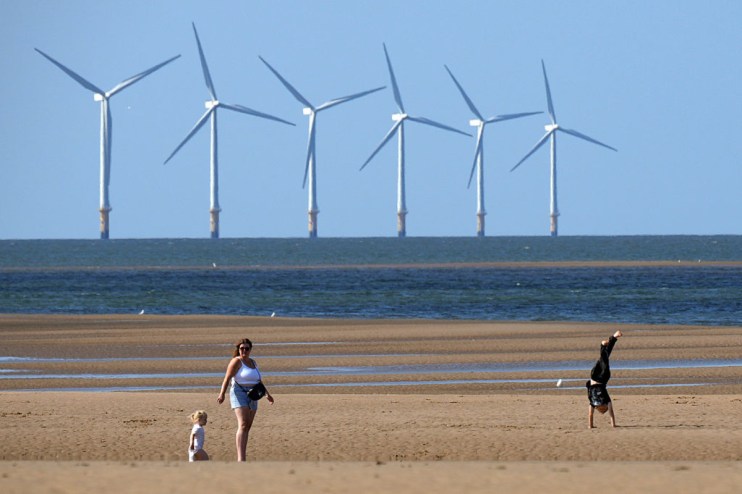
John Healey will scrap green levies from energy bills and shift environmental funding into the wider tax base to minimise the impact of the Iran war on UK households.
The Chancellor said on Wednesday he would axe the surcharge applied to energy bills “for good”, in what represents major shift of the government’s environmental agenda.
“Madam Deputy Speaker, for many years under Conservative governments, policy costs were simply loaded onto household bills through levies,” he told the Commons. “Today I am putting an end to that.”
The measure is one of several attempts to bring down household and businesses’ energy bills ahead of a major squeeze over winter. Analysts expect energy costs to jump some 27 per cent in January as the sustained conflict in the Middle East continues to strangle oil and gas supplies.
The situation could become more severe should Donald Trump proceed with a threat to relaunch air strikes on Iran after next week’s mid-term elections.
Stripping green levies from bills forms one of several measures announced by Healey to negate the effect of that rise, which has been delayed but is also is likely to last longer given Britain’s energy price cap. The Chancellor earlier unveiled a pledge to remove so-called standing charges from bills, saving the average home an estimated £27.
The VAT cut on electricity bills and the 5p discount on fuel duty – both of which were due to culminate in April – will also be extended.
Simultaneously, Healey also announced a bank of targeted support to households on lower council tax bands with their energy bills. The payment would be “paid directly to people’s bank accounts”.
“The Scottish, Welsh and Northern Ireland governments will receive their share of this funding, And I call on them to do the same and give people in all nations of the UK breathing space on their energy bills,” he added.
UK energy bills the highest of all major
The move is expected to be revenue-neutral, with the surcharge, also known as policy costs, shifting into general taxation.
The levies had been used to help fund large-scale renewable energy projects and subsidise households adopting green energy schemes. But they have long been a blight on both households and businesses, which have held them partly responsible for the UK’s energy bills being the highest of any G7 economy.
Several industry bodies – including the CBI and Energy UK – have long called for the government to move the costs into taxation. In a joint paper published earlier this year, both lobby groups said the UK’s energy costs were weighing on the UK economy and “damaging to international competitiveness”.
Separately, the Treasury has asked the Office for Budget Responsibility to chalk in the approval of Rosebank into its estimates. In what is the clearest sign yet that the major oilfield will be rubber-stamped by ministers, the fiscal watchdog has accounted for the boost to tax receipts that the project will generate.