Why professional services are backing Britain’s future workforce

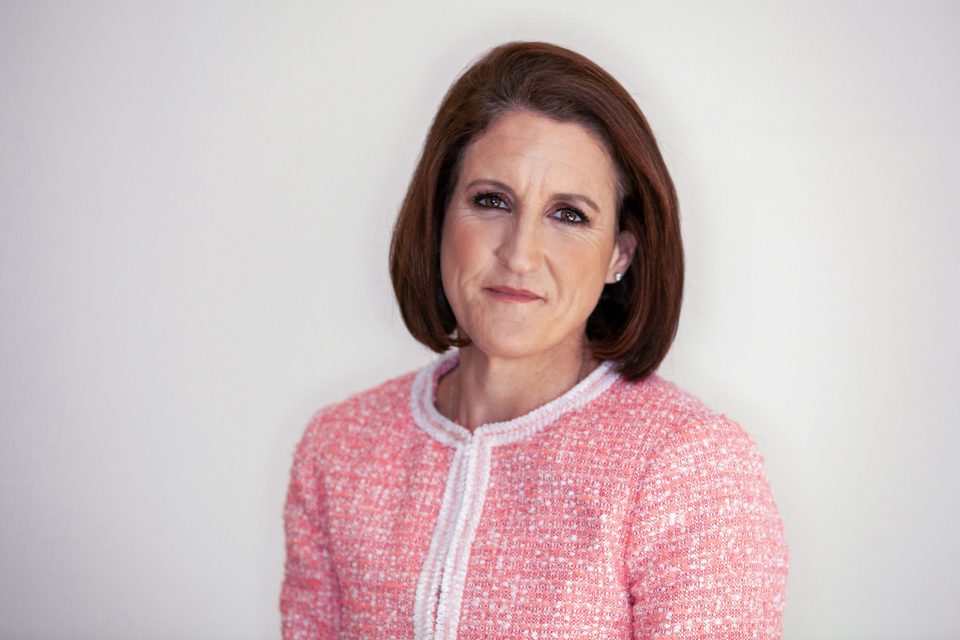
Tamzen Isacsson, Chief Executive of the Management Consultancies Association, explains why consulting is investing in the skills the UK needs.
There is no doubt that AI is changing entry-level jobs across our economy. That creates a challenge for businesses: if more tasks become automated and there are fewer junior roles to fill, how do they develop the next generation of senior professionals? Today’s young recruit is tomorrow’s business leader, but to get there they need to have had the chance to gain experience and work their way up.
UK consulting has a unique insight into this issue both through the experience with our workforce and through our work with clients across the economy. We are one of this country’s leading employers, renowned as a source of rewarding, varied careers spanning a huge range of specialisms, from defence to finance, infrastructure to energy, healthcare to housing. One in five graduates in the UK and one in ten apprentices in England are employed in professional and business services, which includes consulting, law, accounting, engineering and architecture.
We are also at the forefront of the AI revolution, as the go-to industry rolling out AI for clients in the public and private sector, in the UK and around the world. Our firms are also quickly adopting and pioneering the technology themselves.
Yet despite the rapid growth of AI, people remain the driving force of our industry’s success – and that very much includes young people. Rather than recruitment falling as the use of AI increases, graduate hires across consulting firms grew by 10% last year, while apprentices rose by 31%. Our member firms continue to offer thousands of school pupils work experience opportunities every year. Again and again, our members tell us that younger consultants are among the fastest adopters of AI, confident with the technology and ambitious about the positive impact it can have with clients.
However, it is not simply technological knowhow that defines the most successful consultants in the AI age. Indeed, one of the biggest lessons from this month’s MCA Awards was that clients value human qualities above all others. Empathy, critical thinking, judgment, relationship building – these are the things that, they say, make the most successful consultants.
It is therefore not a binary choice for those in consulting between investing in machines or people. We can do both – and we should do both.
Of course, we need to equip people as best we can. The MCA Members’ Survey in January revealed 66% of young consultants wanted more training on AI, exceeding demand for training for every other area, including leadership and client management. Embedding AI literacy in workforce development is a natural step for an industry which already provides an average of seven days a year of training for its people, and which offers more training for young people than ever before.
But we must also continue to value and develop those human qualities that will always be beyond machines. One way of doing so is through our Chartered Management Consultant accreditation, which assesses consultants with more than four years of experience in the industry. The 53 competencies against which they are assessed revolve around skills such as integrity, trust and acting in clients’ best interests. No wonder it helps consultants win new roles and their firms win contracts.
But AI training and nurturing human skills will not be enough to preserve the talent pipeline and build Britain’s future workforce. That is why, for the first time, professional business services have come together to make collective, measurable commitments about the workforce we are going to build. We do so off the back of the government’s Modern Industrial Strategy, which made our industries a priority sector for the growth it drives across the UK economy.
Our commitments in the new Professional and Business Services Jobs Plan centre on three areas: access, skills and accountability.
We will improve access by taking on over 22,000 apprentices under 25 every year for the next five years, and by increasing work experience opportunities by 20% for the same age group over the same time frame.
We will improve skills by investing in AI literacy, supporting wider workforce upskilling and developing a PBS Good Jobs Standard.
Finally, we will improve accountability by sharing better feedback during the recruitment process, tracking data on early-career pay and making a pledge to become living wage employers. In particular, we commit to the responsible use of technology in recruitment.
Many of our MCA member firms do this already. The Jobs Plan is about ensuring there is consistency across the industry and that everyone plays their part.
Of course, our commitments only matter if we deliver on them. The MCA, on behalf of consulting, will therefore monitor, track and publish progress over time, embedding this work into our Annual Industry Report.
As a sector, we feel very strongly that we have a duty to help shape the future of work. Not only is there a business case for doing so; there is a moral case. Our people are our greatest strength, and strengths are not just there to be utilised at the moment they’re needed but nurtured for the long term. AI may change how young people begin their careers, but it should not mean removing the vital ways in which they learn, develop their judgement and ultimately becoming the leaders of the future.
That is the principle behind the Jobs Plan, and it is our commitment to the people we employ, both now and in the future.