Cutting VAT won’t fix Britain’s energy bills

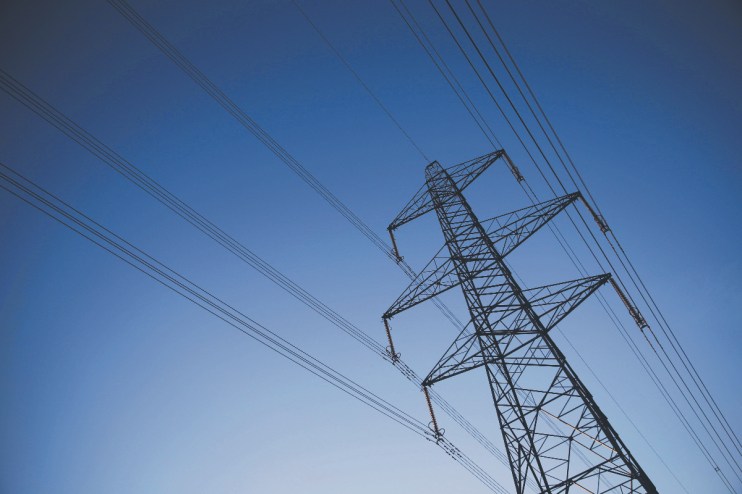
Andy Burnham’s answer to rising energy costs has been a VAT cut on domestic energy bills. But all this does is move money from one pocket to another, with the taxpayer covering the difference, says Alan Chang
Britain is facing an energy emergency. January bills are expected to climb by £276 for the typical UK household, the largest jump in four years, and that follows the four per cent price cap increase that arrived on 1 October.
Burnham’s answer so far has been a VAT cut on domestic energy bills. But all this does is move money from one pocket to another, with the taxpayer covering the difference. In the meantime, not a single bottleneck in the system is addressed.
The real problem lies in the friction to build. UK energy costs are high because we can’t build fast enough. The private capital and appetite to build more energy generation and infrastructure exists, but grid queues, planning delays and a lack of competition are holding us back.
At Fuse, we have just submitted a call to action to the UK government on how to build faster, unlock growth and bring down energy bills for good. These changes are simple, entirely within the Government’s control and don’t require subsidies or public funding.
First, stop making projects wait up to a decade for a grid connection. Right now, if you want to build a data centre or warehouse, even with planning permission and funding it can take up to 10 years to connect to the grid, and households pay for every month of that delay.
The wait is so long because the grid has to offer 24/7 access to power, so projects sit in the queue until reinforcement work is finished. Instead, we must start offering developers flexible grid connections that can be switched off when congestion is at its peak. They take on that risk in exchange for a faster connection within one to two years. More projects get on the grid, fixed grid costs get spread out more widely and household bills fall.
Queuing behind a monopoly
We also need to let any qualified company build grid infrastructure instead of queuing behind a monopoly. Large grid projects should go to competitive tender by default, and network operators should pay automatic compensation to connecting customers when they miss a date. All network data, including costs, timelines and forecasts should be made public. Only with this level of accountability will things actually change.
When it comes to planning, we must also be better at enforcing deadlines. If the statutory period expires without a decision, the application should be approved by default. If a decision arrives late, the applicant should get their fee back. Councils and agencies would treat deadlines very differently if missing one carried a cost.
Blocking gas turbine projects is also driving up energy costs. The more renewables we add, the more we need power that runs when the sun isn’t shining and the wind isn’t blowing. Gas fills that gap.
Finally, we must legalise plug-in home batteries. Plug-in solar panels became legal in the UK just a few months ago, which was the right call. But the battery, the part that lets a household store their own low cost solar power for when prices spike, is still stuck behind a safety study. Germany has years of evidence from households successfully running these systems, which we should use and build on rather than start from scratch.
Yes, the VAT cut on domestic electricity bills will offer short term relief for households this winter. But in reality it will be spent by Spring and the Treasury will have paid for a few months of lower bills with nothing to show for it.
The reforms above cost nothing and ministers already hold every lever they need to bring energy costs down. If they are serious about reducing bills, make it easier to build in Britain. Don’t, and we will be having the same conversation next winter with an even bigger hole in our public finances.
Alan Chang is CEO and Co-Founder at Fuse Energy