How mansion tax changes could triple the number of payers in suburban London

When she introduced the measure in her October Budget, then-Chancellor Rachel Reeves told MPs her new mansion tax would “deal with a longstanding source of wealth inequality in our country.”
Reeves promised that the new levy, set to cost as much as £7,500 for the highest-value homes, would raise more than £400m and would affect “less than the top one per cent” of British properties.
But almost a year on, before the new tax has even taken effect, plans are reportedly afoot to substantially widen its scope. Reeves’ successor, John Healey, is said to be weighing up plans to slash the threshold for homes captured by the tax from £2m to £1.5m.
While the move would only cut the threshold by 25 per cent, it would virtually double the number of London homes that would end up paying the tax, City AM analysis has found, extending its scope well beyond the most luxurious London pads.
“A so-called ‘mansion’ tax is a tax on family homes and could hit hundreds of thousands of people – especially in London and the South East – through no fault of their own,” said shadow Chancellor Andrew Griffith.
“After two tax-raising Budgets from Rachel Reeves, John Healey must rule out any further tax rises next month. Otherwise, families and businesses will conclude that he is simply following Reeves’ lead, with more and more spending and no credible plan to pay for it.”
Suburban London could be hardest-hit
More than two thousand homes were sold for over £2m in London in the 12 months to the end of June, data obtained from HM Land Registry shows, while a similar number were sold in the £1.5m-£2m price range.
Suburban parts of London would be hardest-hit if the tax were to be widened, our analysis found, with boroughs such as Hackney and Wandsworth set for a near-tripling in the number of homeowners paying the tax, growing the geographic area ensnared by the levy far beyond the small number of central London postcodes previously captured.
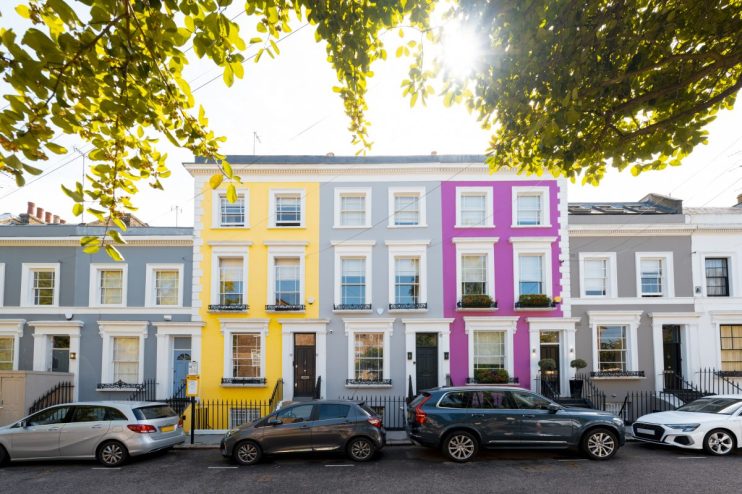
It also means much smaller properties will end up getting charged. Of the homes sold between £1.5m and £2m in London last year, around one in six were apartments. Most of the remainder were terraced houses.
“Lowering the threshold for the proposed high-value property surcharge will have a wider effect on the capital’s homeowners than the label of a ‘mansion tax’ suggests,” said Adam French, head of consumer finance at Moneyfacts.
“It is unlikely to push London house prices off a cliff, but a threshold like this can distort the market. If a £1.49m property avoids the charge and a £1.51m property attracts it, buyers have a pretty clear incentive to negotiate.
“Any changes to the tax system create winners and losers, and there is a reasonable argument that those with more valuable assets should contribute more. However, there is a difference between being asset-rich and cash-rich.”
Homeowners can have substantial wealth tied up in their property without having a high income to pay the extra annual charge, he warned.
“In parts of London, £1.5m doesn’t buy a mansion, it can buy a family home, with its value driven by decades of strong house price growth in a sought-after part of the capital rather than the homeowner having a particularly high disposable income,” French said.
A Treasury spokesperson said: “As has always been the case, decisions on tax are a matter for the Chancellor to set out at fiscal events, rather than routinely commenting on rumour, speculation or proposals.”