Rayner urged to resolve ‘unwelcome’ Tower of London heritage row


Angela Rayner has been urged to resolve an “unwelcome” heritage row which could place curbs on skyscrapers in the Square Mile to protect views of the Tower of London.
The housing secretary has been told that the planning dispute, which was revived by a housing minister in June, risks stalling critical investment in office space in the City.
The City Property Association (CPA), which represents nearly 200 of the Square Mile’s biggest property developers, has written to Rayner to warn that the skyscrapers which could be blocked by the heritage row are “critical economic infrastructure”.
“For businesses and investors, certainty matters. At a time when growth is rightly a national priority, prolonged uncertainty risks slowing investment decisions and business expansion,” the letter to the housing secretary, seen by City AM, said.
The dispute over the Tower of London was kicked off this summer when housing minister Matthew Pennycook asked the planning inspectorate to begin a new review of the City Plan, which sets the direction of property development in the Square Mile until 2040.
The City Plan had already been approved but heritage body Historic England had raised concerns that the proposal would allow skyscrapers to be built on the east of the City which could block views of the Tower, threatening its status as a Unesco World Heritage site.
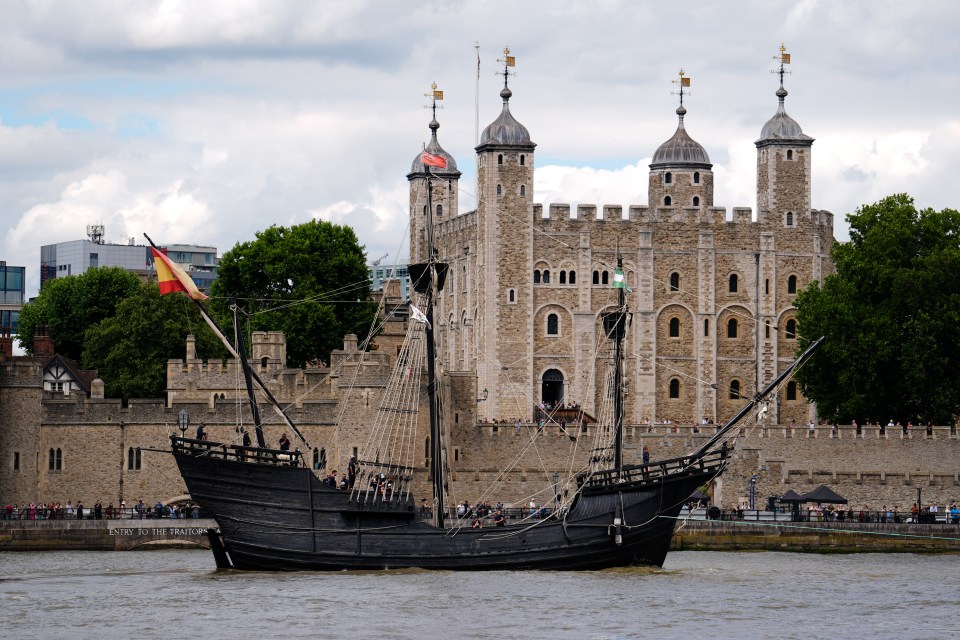
The City of London Corporation has already warned that Historic England’s alternative plan could threaten plans for 20 skyscrapers in the area by making the top floors – which enable developers to make a profit on their projects – unviable.
This could cost 1m square foot of office space, 6,800 jobs and £1.2bn in economic output every year, a City planning boss has warned.
Minister accused of meddling
The CPA told Rayner that Pennycook’s decision to revive the dispute was an “unwelcome delay”. The already-approved City Plan had “carefully balanced the need for economic growth with protecting [the City’s] heritage,” the body said.
Nikki Dibley and Charles Begley, the CPA’s bosses, told Rayner: “The Plan seeks to achieve a careful balance between enabling growth and safeguarding the City’s unique historic environment though a plan-led approach informed by extensive evidence, consultation and independent scrutiny.
“The City Plan 2040 has a critical role to play in providing the clear and predictable framework needed to support growth, investment and London’s continued competitiveness.”
The City of London generates £109bn in economic output every year and supports one in every 48 UK jobs, the CPA told Rayner.
Office space in the Square Mile has reached record lows in recent years, prompting City figures to urge the government to roll out emergency laws to encourage construction in the area.
The trade body’s bosses said: “The office sector is a powerful driver of jobs and prosperity, and the City of London’s success is underpinned by a dense concentration of financial, professional, technology and business services.”
Dibley and Begley urged Rayner to agree to a meeting to discuss how the City’s commercial property sector supports economic growth.
“Attention can then return to delivering investment, high-quality development and future growth in the Square Mile and across the wider UK economy,” they said.
A spokesperson for the Ministry of Housing, Communities and Local Government said: “Our World Heritage Sites are an irreplaceable part of this country’s history and they must be protected.
“We have asked inspectors to consider the proposals for tall buildings in the City Plan, to ensure they protect the Tower of London against unsuitable development without restricting economic growth.”