I built my career on social media as a teen. I still think banning under-16s is right

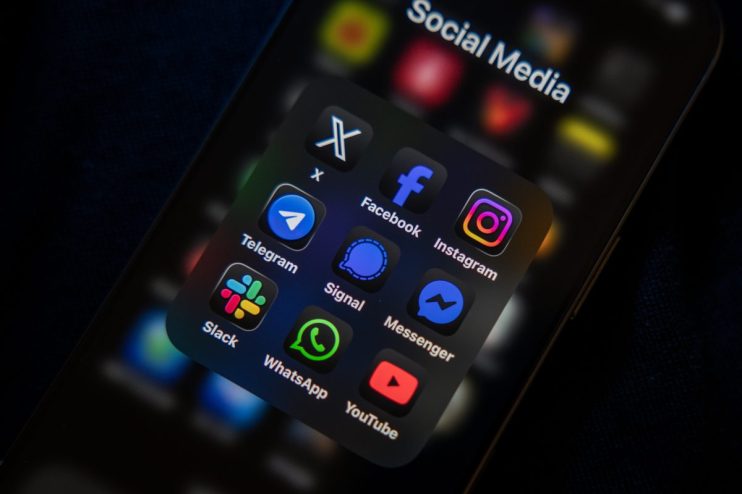
George Bacon arguably makes a living from young people scrolling. But he says a social media ban for under-16s is logical and responsible
There was a time where I wouldn’t be surprised to see my screen time reach 12 hours a day, and I knew at least eight of those were spent on social media platforms. I wasn’t going through a phase and it wasn’t a particularly bad month, it was just my everyday job.
I’m the founder of a social publisher/agency hybrid that creates brand content for Gen Z audiences, working with some of the biggest names in food delivery, retail and tech. Social media is my livelihood. So people are often surprised to hear that I support the UK’s incoming ban on under-16s using social media.
I understand the reaction, and appreciate why it might be deemed a contradiction. But for me that perception isn’t right, and if you’re building a brand, business or product for younger audiences, my reasoning will likely make sense.
The numbers stopped being surprising a long time ago
According to House of Commons Library research, nine in 10 children in the UK own a mobile phone by the age of 11, and 99 per cent of children spend time online. If I pause and think about who I was, my ‘normal’ daily rituals as an 11-year-old, those figures become uncomfortable and hard to defend.
Some platforms and content are not suitable for children under 16, and I suspect most people quietly agree. There’s a misconception that the industry knew that social media would have its tobacco moment and kept quiet, but that’s not my experience. Conversations about how platforms can be made safer have been happening among my peers for years.
What’s been missing is consistent enforcement; the regulations and how they’re applied vary from platform to platform. It’s unreasonable to expect change to happen when all parties involved are given different rules.
At the scale these platforms operate, consistent policing is close to impossible, and mistakes have been made which resulted in sad consequences. Cyberbullying is one of the most prominent concerns that comes up again and again, and the numbers justify this concern.
Ofcom research found four in 10 UK children aged eight to 17 have experienced bullying, and it was more likely to happen on a device than face-to-face.
If moderation depends on the judgement of individual platforms, and those judgments need to be made billions of times a day, gaps will appear. A strict rule with zero margin for error saves these platforms from an impossible job.
I grew up with social media guardrails and I turned out fine
I’m Gen Z, and although we’re considered the generation born with internet and digital literacy at our fingertips, we were the last ones to grow up with real friction between us and the online world. With some years behind me now, I can see how that has changed the way my generation interacts, and it’s not always for the better.
I had to beg my parents for an Xbox at 13. I wasn’t allowed a Blackberry when most of my classmates had one at 11 or 12. You couldn’t get on Facebook until you were 13, and I only used Twitter when I started making content at 14 or 15. I barely scrolled.
Would I have thought a ban was fair at the time? Probably not. If you had told teenage me I was being banned from social media because of my age, I don’t think I would have accepted it gracefully. Ironically, that’s the point. Teenagers are still developing their frontal lobe, and everything feels unjust to an age that’s the epitome of hormonal outrage. It’s unreasonable to expect them to set out their own guardrails for platforms which, to some extent, don’t reflect human interactions and behaviours. My parents’ rules felt unfair too, but I’m grateful for them now.
What I’d say to the people pushing back
I get why there are critics of the ban, and I don’t think they’re wrong per se. It does raise serious questions about enforcement, privacy, about whether age verification can work, and that’s all before we even touch on those worried about it being the first domino in the nanny state effect. They’re all legitimate concerns, but we can only see how effective this type of legislation can be once it’s rolled out. And with Meta’s recent court order forcing it to pay $1bn over child safety failings, I don’t think it’s a legislation these platforms can ethically afford to not try.
We’ve had an age limit on social media before. The only new thing is data to support the need for it, and we can’t rely on it to be done under goodwill. Waiting for a perfect policy is how you end up with no policy at all.
We also can’t ignore the fact that plenty of brands have built their youth strategies around reaching under-16s through social platforms, and that reach is going away. So a commercial conversation needs to be had alongside the policy one.
That age group isn’t going to disappear. They’ll move to places they already spend their time: IRL events, podcasts, gaming worlds and the communities built around them. All this means is brands will have to get experimental, not treat it as a workaround to claw back lost reach.
Taking breaks from the thing that pays my bills
After years of scrolling, I now take deliberate breaks from social media, because I’ve learned it’s not worth the impact it can have on my own wellbeing. Slightly hypocritical of me to say, considering my business relies on these apps, but it’s a necessary truth.
What it looks like in practice is pretty boring. I catch up on everything for 15 or 20 minutes when I wake up and again before bed. In between, especially when I’m around people, I try to be present rather than scroll. That routine took the pressure off; I stopped feeling like I had to check to avoid missing something. When content strategy for clients relies on viral moments, it can be hard to stick by, but I recognise the importance of it.
Taking breaks from anything that’s burning you out matters, regardless of your position. Burnout can make you resent the thing you love, and I never want to resent this industry.
Joy was always the point
When I started GBM, the goal was lighthearted relief. I was posting because I wanted to bring humour to topics I could relate to, and hoped others would feel the same. Relatability is why what I’ve built has worked.
It’s that side of social media that needs protecting – community, comradery, spaces people go to for support of those ‘me too!’ moments. It’s why the ban doesn’t feel like a threat to me.
Guardrails for the youngest users aren’t an attack on the industry I work in. This ban will reshape where a generation forms its identity, and I think that’s the point, not the problem.
As someone who has seen the best and the worst of what this world offers, I think that’s worth supporting, even from the inside.
George Bacon is the founder of GBM Group, a social-first creative agency and publisher responsible for pages such as Great British Memes