We can’t all create jobs. But we can all create opportunities.

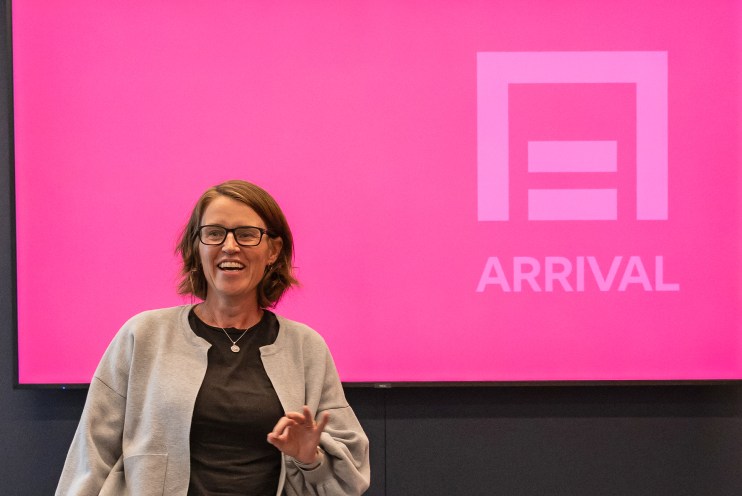
Headlines about the challenges facing young people trying to secure their first meaningful job have become hard to ignore. And with exam results for our next generation of workers landing soon, Emily Shenton, co-founder of Arrival, an organisational performance consultancy whose social impact practice partners with corporates to help ambitious young people build careers and Susie Sek, Sustainability Manager at Investec, discuss why supporting young people through the transition into work matters and what every professional can do to help.
Graduate roles now attract hundreds of applications. Even students with the strongest of CVs are submitting dozens, sometimes hundreds of applications without success. Add to that the challenge of finding part-time work while studying, alongside growing uncertainty about how artificial intelligence will reshape entry-level roles, and it’s easy to see why so many young people and their support network are anxious about the future.
No single business can solve the challenges facing the early careers market, nor should they be expected to. Businesses can’t create roles where there isn’t a genuine business need.
So, what can those of us leading and working in businesses actually do? How can we help ambitious, hard-working young people keep going while they navigate an exceptionally difficult labour market?
The encouraging news is that we can all do something simple: give an hour of our time.
Susie: Research from The King’s Trust found that more than 70% of young people wish they weren’t starting their careers in today’s economy. Does this mirror what early careers students are saying to you ?
Emily: The labour market is undoubtedly difficult, and no one I’ve spoken to pretends there’s an easy answer. Arrival was working with young people during the 2008 financial crisis and this is far more serious.
It’s worth saying this is not about handling a few rejections. It’s about what happens after forty, fifty, sixty applications, months of silence and the gradual erosion of hope.
I recently spoke to an impressive young engineering student at Imperial College London. He achieved excellent A-levels, is clearly smart, thoughtful, hardworking and driven. He told me he was on application number 46 and had yet to receive a single positive response. The “new norm” is not to receive a response at all.
Susie: How are the young people you work with through Arrival responding?
Emily: What I have observed working with young people from lower socioeconomic communities is how remarkably resilient they are as a group. But I’m increasingly starting to see the negative impact of repeated rejection. It’s completely understandable that, after months of repeated silence and rejection, they begin to question whether all the hard work they’ve put in is ever going to lead anywhere.
And that worries me deeply. I am fortunate in my work to meet thousands of smart, ambitious young people who want to contribute to our economy and society, who want to build lives and prosper in the UK.
Increasingly, though, I’m hearing a question I rarely heard a few years ago:
Should I stay in the UK? I’m not sure I can build a future here.
Susie: That’s deeply worrying. What can we do to make a genuine, positive difference?
Emily: I think we can all play a valuable role in helping talented young people keep believing that the future they’re working so hard for is still possible. That is a huge benefit of the Career Catalyst programme we run with Investec. Not only are nearly half (46%) of this year’s cohort eventually managing to secure roles, but, when asked, confidence in their future jumps to 82% (up from 21% at the start).
But you are right – we can’t create jobs where there isn’t a business need. So what can we do? Put simply, I think we can all give an hour to share our experiences. Whether that is explaining how recruitment works, or guiding on interview techniques. We can look at a CV and advise. We can remind young people that rejection is part of many successful careers. We can open our networks and encourage someone who’s beginning to lose heart. We can give confidence as well as opportunity.
None of those things creates a job. But all of them can help someone keep going until the right opportunity comes along.
Susie: If every City AM reader decided to give just one hour this year to support early career students, what would you encourage them to do?
Emily: Three things.
First, start where you work. Ask your HR, Early Careers, CSR or Social Impact team what programmes and initiatives they have in place and how you can get involved.
Second, if your organisation doesn’t have a formal programme, offer an hour to a university careers service or employability organisation.
Finally, don’t just open the door—wedge it permanently open. We always encourage our alumni to stay in touch with the professionals they meet. But many don’t when things aren’t going well. They don’t want to feel they’re imposing or getting in touch without good news to share.
What I’ve seen make the biggest difference is when the professional proactively reaches out. A simple message asking, “How are you getting on?” can restart a conversation that might otherwise never happen. Sometimes it leads to advice. Sometimes to an introduction. Sometimes it’s simply the reassurance that someone cares.
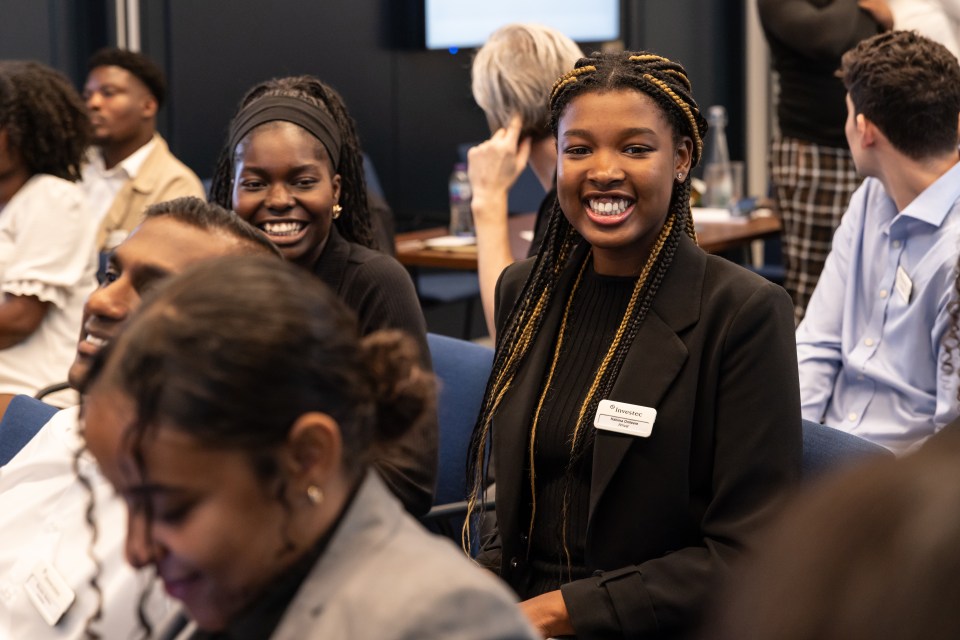
Investec recently convened senior clients from its Female Leaders Network with a cohort of female students to share the advice they would give their younger selves, through a fun and fast-paced speed-networking event. These sorts of initiatives are important, giving students the opportunity to connect, question senior leaders and build relationships – helping to prepare them as they embark on their journey into the workplace.
Investec has partnered with Arrival since 2008 to support programmes that help ambitious young people from lower socioeconomic backgrounds develop the confidence, commercial understanding and networks needed to build successful careers. Over the past 18 years, hundreds of Investec colleagues have volunteered their time as mentors, speakers and facilitators.