ChatGPT to trial adverts for some users for the first time

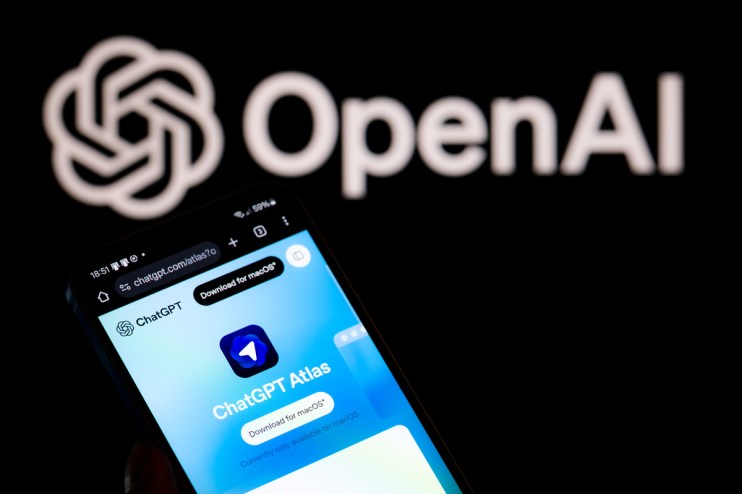
Online AI tool ChatGPT will begin to show users adverts for the first time, as it looks to recover from financial losses.
Open AI, the bot’s developer, said it would start displaying adverts in the coming weeks based on what people ask ChatGPT as well as personal data the tool stores on users.
Relevant ads will appear after a prompt and sit at the bottom of the screen. For example, asking about a popular holiday destination could include an advert for a hotel in the region.
But the company said it will not influence ChatGPT’s responses and the firm will not share data about conversations with advertisers.
Subscription tiers
The trial will initially take place in the US in the next coming weeks, and affect those using the tool’s free service.
Users who do not wish to see adverts will have to pay for the company’s subscription services, Pro, Plus or Enterprise, which cost $20 a month and upwards.
Users who opt to use the company’s new subscription tier ChatGPT Go, a cheaper $8 a month service which was first rolled out in India, would still be shown adverts but be allowed some extra features including letting users send more messages a month.
It said putting adverts in the chatbot, which boasts roughly 800m users, would allow it to keep the system free for those who do not wish to pay, as just five per cent of users are paid subscribers.
Sam Altman, chief executive of Open AI, wrote on X: “It is clear to use that a lot of people want to use a lot of AI and don’t want to pay, so we are hopeful a business model like this can work.”
2025 losses
OpenAI lost billions of dollars developing and operating ChatGPT, due to excessive spending on data centres.
In 2025, the company operated at a loss of $8bn in the first six months of the year, and told investors it does not expect to make a profit until the end of the decade.
The company pledged not to show adverts to children while it is testing the technology, as well as not showing them in chats about sensitive topics, including health, politics and mental health.
It also confirmed users could turn off personalised ads if they wanted so adverts would not influenced by the contents of previous chats.
The company said: “AI is reaching a point where everyone can have a personal super-assistant that helps them learn and do almost anything.
“Who gets access to that level of intelligence will shape whether AI expands opportunity or reinforces the same divides.”