Tax debate goes from comedy to tragedy

When I suggested recently that we were going to experience déjà vu, with another summer of endless tax rise speculation, I didn’t imagine the experience would be quite so profound.
And yet, having already enjoyed the spectacle last year of Labour MPs trying to define “working people” they’re now treating us to a rerun of this slapstick episode.
After the 2024 election, having pledged not to increase taxes on working people, Keir Starmer and Rachel Reeves embarked on some verbal gymnastics to try and describe this cohort, with definitions ranging from “people without savings” to “people with savings” and “people who earn their living.”
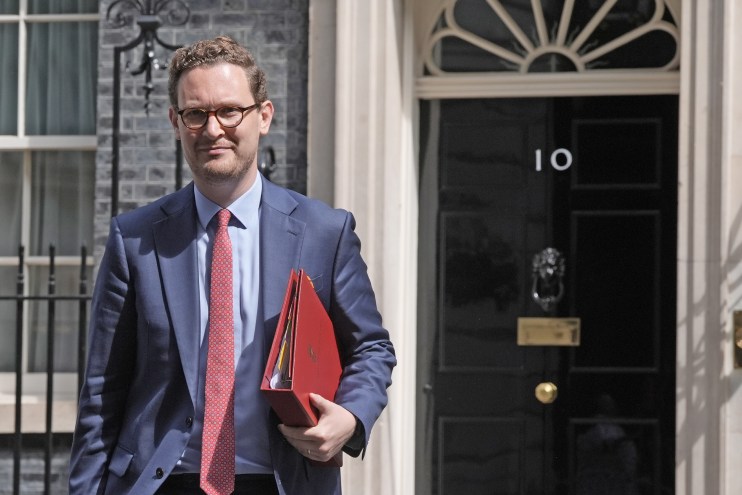
Now, with the tax debate front and centre of our minds once more, it was the turn of the transport secretary, Heidi Alexander, and Reeves’ deputy, Darren Jones, to define this demographic.
Alexander first suggested it referred to people “on modest incomes” but this definition was later expanded by Jones to include “anyone that gets a payslip, basically.” It’s easy to laugh at ministers tying themselves in knots over this, but it serves to highlight the total mess they’ve got themselves into – and the inevitable consequences for the rest of us.
We’re now at the stage where ministers confidently assert that they won’t tweak the rates of a given tax, leaving us to ask “ah, but what about the thresholds?” They won’t raise VAT, but they might expand its reach. They won’t design a new levy and call it a “wealth tax” but they might look at existing taxes that already fall on the better-off.
Business taxes ‘low hanging fruit’
The taxes that have already gone up, particularly on employment via national insurance, have been described by the chancellor as “the low hanging fruit” – in other words, the easy ones. Try asking an employer how easy that tax hike has been to bear.
The latest analysis from S&P Global shows 48 per cent of firms are planning to respond to the increased costs by increasing prices, while 36 per cent say they will reduce headcount. Jones said yesterday that “it’s normal for business to make adjustments to their plans, depending on the cost of business, in the normal way.”
He’s technically right, and firms are indeed responding to Labour’s tax raid in a ‘normal’ (or predictable) way, but the minister’s cavalier attitude does not inspire confidence.
You can’t have working people without working businesses, and one way or another it seems the tax net is about to be cast over them yet again.