U-turn proves Labour has no real plan to reform welfare
Instead of making a moral argument for the need to reform a broken a system, Labour has cast welfare changes as a narrow fiscal exercise, say Jean-André Prager and Sean Phillips
The Prime Minister appears to have quelled a mass rebellion over health and disability benefit reform, but the concessions made to backbench ‘rebels’ are considerable.
Eligibility requirements will no longer change for current claimants of the Personal Independent Payment (PIP). The Universal Credit health element won’t be frozen for claimants. A review into PIP criteria will be “co-produced” with disabled people. Employment support will be introduced sooner than initially intended. The total cost to the Exchequer could be over £3bn – and the effect felt as soon as the Autumn Budget via tax rises or spending cuts.
But had you listened to the rhetoric of Labour frontbenchers in recent months, you couldn’t have envisaged such a screeching U-turn would be needed.
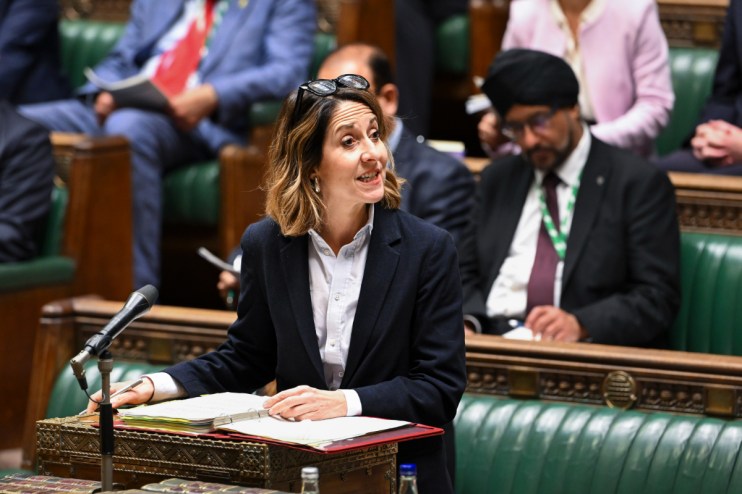
The government embarked upon its welfare reforms by seeking to claim the moral high ground. As recently as Monday, the work and pensions secretary, Liz Kendall, stated “our plans are rooted in fairness – for those who need support and for taxpayers”.
However, this rhetoric has not been matched by reform in reality. From the outset, this has been a process driven by tactical choices, rather than conviction and strategic clarity. A desire to ‘score’ savings became the predominant determiner in the reform process.
The sequencing of reform has been criticised, with savings preceding increased employment support and the ‘Timms Review’ of PIP assessments – this means the package looks unbalanced.
Incoherent
Materially, the most obvious indicator plans were not as well thought through as presented, was through additional policy changes made between the publication of the Green Paper and the Spring Statement just a week later.
A £1.6bn shortfall emerged between the government’s own assessment of the cost of measures in the Green Paper and OBR analysis, leading the Chancellor to seek an additional £500m in savings.
Removing disincentives for disabled people to seek employment should be welcomed. Moreover, there had been widespread agreement on the need to abolish the Work Capability Assessment – something Policy Exchange has also called for in recent months.
However, proposals to reform PIP, which underpin the vast majority of the fiscal savings, are incoherent.
There is a philosophical argument to reform PIP. Our benefit system has not kept pace with changing societal perspectives and understanding of disability. Difficult questions need to be asked about the type and quantum of support the state can provide, when a quarter of adults now define themselves as having a disability.
Instead, PIP reform has been cast as a narrow fiscal exercise, rather than being driven by a moral conviction about the need to re-baseline what we consider a disability – and where a fiscal transfer is appropriate.
The government will find it challenging to articulate a compelling philosophical case, where they have solely couched their arguments around the virtues of work.
Now questions are emerging about the prospect of a ‘two tier’ benefit system. Is it fair that there should be differential treatment between claimants who may have identical functional challenges but claim at different times?
As the ‘reasoned amendment’ penned by the ‘rebels’ stated, the benefit system does require serious reform. But as a nation, we have not asked more stretching questions of our welfare system: where should we be drawing the line on eligibility, generosity or whether in fact we are even providing the right type of support for claimants?
The highly-charged and unsatisfactory position we find ourselves in will continue until we have this national conversation in an open, and transparent manner.
Jean-André Prager is a Senior fellow at Policy Exchange and a former special adviser on welfare to Conservative prime ministers.
Sean Phillips is Head of Health and Social Care at Policy Exchange