‘War on wealth creation’: capital gains tax raid would lose government money, Tories argue

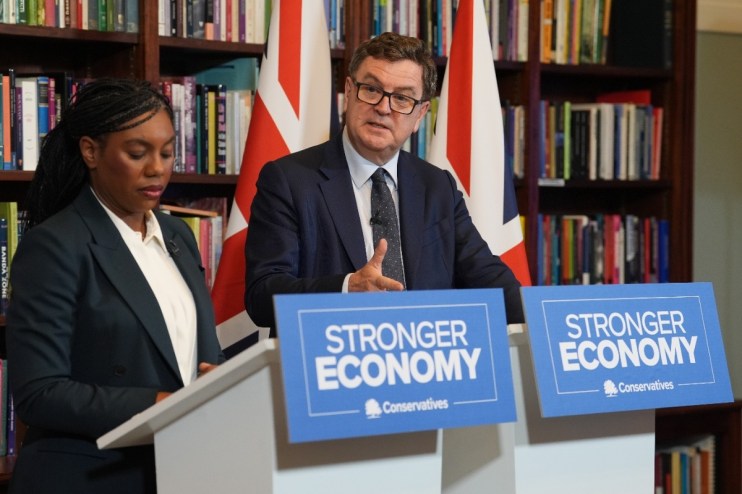
A fresh capital gains tax raid on Britain’s wealthiest would ultimately lose the government money, according to new Conservative analysis of Treasury data.
Internal government modelling suggests that the top rate of capital gains tax (CGT) is already too high and hiking it further would lead to lower tax receipts.
Figures presented to the Labour government before its first Autumn Budget in 2024 showed that the Treasury assumed that it would raise less from investors, businesses and landlords through CGT as the tax burden increased.
Increases ultimately hurt the Exchequer as the high rate puts people off selling assets such as businesses, shares and second homes in a bid to dodge the tax. Tory analysis suggests the tipping point is when CGT is levied at 22 per cent.
Officials assume that the amount available to be taxed through capital gains would decline by 3.6 per cent for every one per cent in the amount an investor can take home from assets, according to the Conservative analysis.
“What this actually shows is what happens when you raise taxes and put the fear of God into investors,” said shadow chancellor Mel Stride on X.
“HMRC’s own estimates show increasing capital gains tax would lose the Treasury money, but Labour cabinet ministers and think tanks are still pushing for it. The only possible reason for another tax raid is an ideological war on wealth creation.”
Hiking rates
Current CGT rates are 18 per cent for basic rate taxpayers and 24 per cent for higher and additional-rate taxpayers, after former chancellor Rachel Reeves raised it from 20 per cent.
Record amounts of capital gains tax were recorded in the 2024/25 tax year, reaching £127bn, an 82 per cent increase from the prior year, according to figures from the Institute of Public Policy Research.
However, Reeves’ successor John Healey is facing pressure to increase the CGT burden further.
Proposals to lift CGT have been supported by Duchy of Lancaster Louise Haigh, a key ally of prime minister Andy Burnham.
Burnham has said previously that the UK has “overtaxed labour and undertaxed wealth” but he insisted this week he would “definitely not” tax the wealthy out of the country.
This has raised concerns the government is approaching ‘peak tax’ and will soon have little capacity to squeeze households and businesses without it backfiring and costing the Treasury money.
Simon French, chief economist at Panmure Liberum, said: “The dynamic, behavioural effects of policy are more significant with CGT than almost any other part of the tax system.
“The latest data pours cold water on the idea that there is a pot of recurring tax revenue to go for here.”