Stealth taxes intensify London first time buyer struggle

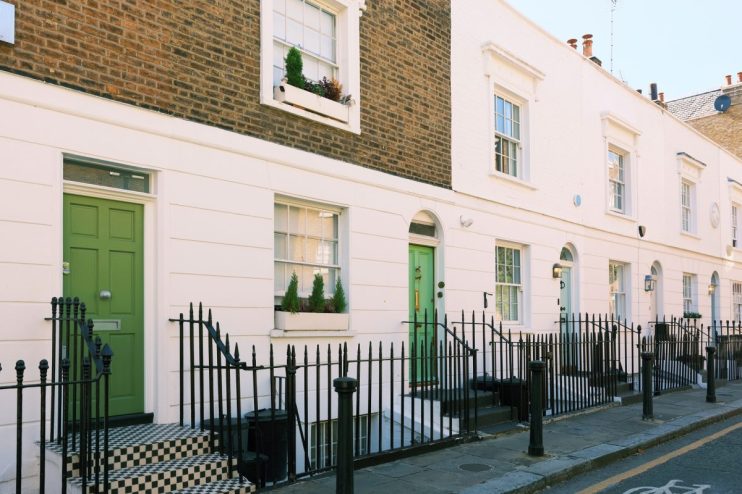
A raft of government stealth taxes is driving the London property market even further into unaffordability for first time buyers, fresh research has found.
Freezes in tax bands and thresholds means the average home in the capital now accounts for an eye-watering 14.7 times average earnings after accounting for stamp duty, national insurance and income tax, according to an analysis by Moneyfacts.
That represents more than double the burden facing first time buyers in other regions in England including the North West, the North East and Yorkshire, as well as being well above the burden in the South East and the South West.
The findings reveal that the struggle to get on the property ladder is significantly worse than that suggested by government statistics, because these only consider regional property prices as a multiple of gross earnings.
After accounting for tax, the scale of the chasm in unaffordability of the London property market compared to the rest of the UK is laid bare.
Because the first time buyer stamp duty relief has failed to keep pace with property price inflation, most London homes now exceed the £500,000 cap, meaning that first-time buyers in the capital will be slapped with an average £16,350 after getting the keys to their first home.
In addition, freezes in taxes such as the personal allowance – the tax-free income tax band – as well as higher rate bands, have disproportionately impacted younger workers in London, hamstringing their ability to save and curtailing their ability to borrow.
Calculations by Moneyfacts suggest buying a typical London home will now cost a staggering £70,000 in up-front cash, which amounts to more than 12 years of saving for the average Londoner, in order to cover larger deposits and much bigger stamp duty charges.
Adam French, Head of Consumer Finance at Moneyfacts, said: “With income tax thresholds frozen and the UK tax burden heading towards a historic high, many workers are keeping less of every pay rise before they even begin saving for a home.
“Combined with high prices and limited housing supply, the tax system is becoming another significant barrier to homeownership for aspirational Londoners.”
Construction slump
The analysis comes as housebuilding in the capital slumps to fresh lows, choking off supply to young people desperate to get on the property ladder.
Construction began on just 5,547 new private-sector residential homes in 2025, a slump of more than 80 per cent compared to a decade earlier. London needs as much as 88,000 new homes a year to keep pace with demand, City Hall estimates suggest.
“More flexible borrowing rules and an increase in housing supply can all be part of the solution,” French said.
“However, for many aspiring first-time buyers in London the challenge right now is finding enough financial headroom to save amid a combination of rising living costs and a creeping tax burden which is slowly squeezing their finances.”