Starmer resigns as Prime Minister

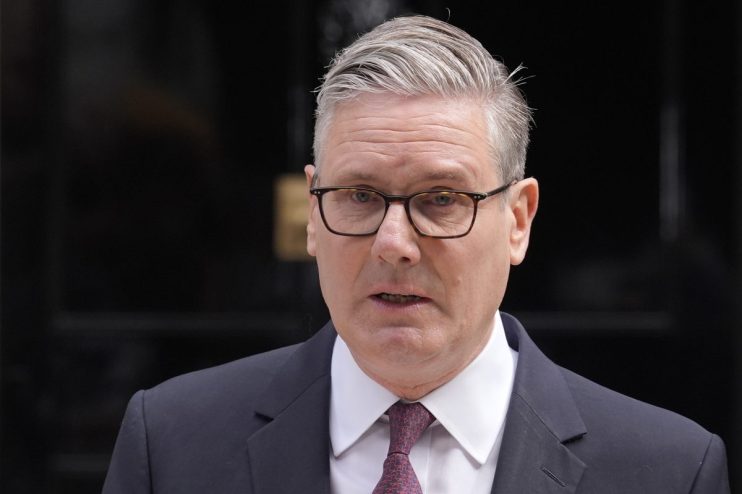
Sir Keir Starmer has resigned as Prime Minister less than two years after winning a landslide victory at the 2024 general election.
Starmer had faced mounting pressure in recent days after challenger Andy Burnham swept to victory in the Makerfield by-election.
In a speech outside Downing Street, the Prime Minister said his position had become untenable and the party would begin the process of electing a new leader.
“The question my party is asking now is whether I am best placed to lead us into the next general election,” Starmer said. “I have heard the answer of my parliamentary party to that question, and I accept that answer with good grace.”
With his voice audibly cracking, Starmer paid tribute to his family and described entering Downing Street as the proudest moment in his life.
The Prime Minister will remain in place until a new leader is elected to “ensure an orderly handover of power”, he said. Nominations for the Labour leadership will open on the 9th July and close by the time parliament rises for the summer recess on the 16th July.
While Andy Burnham is widely seen as the frontrunner for the leadership, should multiple challengers emerge, a contest will take place over the summer with the aim of electing a new leader by the time MPs have returned in September.
A leadership contest will usher in Britain’s seventh Prime Minister in just over a decade. Starmer is the shortest living Prime Minister in Labour’s history.
Burnham, the former Manchester Mayor, made clear his leadership ambitions through the by-election campaign and is seen by many in the party as Labour’s best chance of defeating Reform UK.
Starmer’s resignation marks the end of a premiership that promised to clean-up British politics but ended up mired by political infighting, policy U-turns and accusations of sleaze.
While Starmer has been defiant in recent weeks and insisted he will stand in any leadership contest, he today ruled out that possibility and said it was clear his party had decided he was not the right person to lead the party.
A summary of Starmer’s leadership
Starmer, who was previously the shadow Brexit secretary, became Labour leader in 2020 months after Jeremy Corbyn resigned. The former director of public prosecutions led a campaign based on pledges to scrap tuition fees, ending outsourcing in the NHS and allowing “common ownership” of rail, energy and water companies.
Four years later, Starmer took Labour to a storming electoral victory having ditched most of his initial pledges and suspended several leftwing Labour figures or away from the centre of the party, including the likes of Corbyn and Diane Abbott.
The win in 2024 has been widely referred to as the “loveless landslide” given the shallow level of widespread support as Labour won 32 per cent of the voter share yet took a huge parliamentary majority with 411 seats on.
Labour’s manifesto included a commitment to not raise taxes on working people while Morgan McSweeney, Labour’s director of campaigns who later went on to resign as Starmer’s chief of staff over the Lord Peter Mandelson scandal, pushed for the party to take a more moderate position on various policies.
Starmer’s time in government began to unravel early with the departure of his first chief of staff and former civil service head Sue Gray over internal disagreements, and with U-turns on winter fuel payment and welfare spending cuts in 2025.
Several controversies also put Starmer’s leadership under threat, including high levels of youth unemployment due sweeping tax rises on employers, accusations of sleaze over the appointment of Mandelson as US ambassador, and Angela Rayner’s resignation as deputy prime minister over unpaid stamp duty on her property.
Poor local election results and resignations from the Cabinet by former health secretary Wes Streeting over Starmer’s poor leadership and John Healey over a lack of funding for extra defence spending has led around 100 MPs – including Starmer’s own allies – to call for his resignation.