Reform UK vows to raise VAT threshold to £150,000

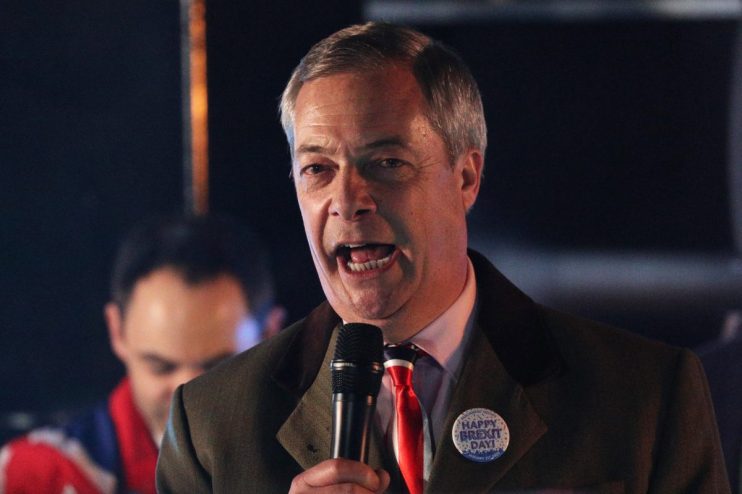
Reform UK has announced it would raise the VAT threshold for small businesses from £90,000 to £150,000 despite long-running debates over the cost and benefits of reforming the tax.
Reform announced on Wednesday it would create a “fair deal for the White Van man” by increasing the VAT registration threshold to £150,000.
The party said the tax break for small businesses would cost the government more than £2bn before later being paid for by the “long-run fiscal benefits of the productivity boost” across the UK economy. Sources also said the policy would be fully funded in the short term based on current planned spending reductions to the civil service, welfare and net zero policies.
Party officials suggested that the tax break would help 320,000 firms “almost immediately.”
The EU limits its members to a VAT threshold of €100,000, with Reform UK arguing it would make the UK more competitive and able to reap the benefits of Brexit.
Nigel Farage said the proposals would help “men like Robert Kenyon”, the plumber who is standing for Reform against Andy Burnham at the Makerfield by-election.
Farage said: “When we abolished tax on overtime we promised we would also deliver for the self-employed and those running small businesses. This is the first of those offers.
“The policy we have announced today will lift tens of thousands of sole traders out of VAT and end a brutal cliff edge,” he added.
Reform UK’s surprise tax cut announcement
Farage’s impromptu policy announcement has come amid intense pressure on the party over its candidate selection for the crucial by-election.
The Reform UK leader told City AM last year he thought that the VAT threshold was “far too low” as there were “so many one or two-man bands that find themselves literally on that cusp”.
He then said the threshold should be raised to around £160,000.
Jeremy Hunt raised the threshold from £85,000 to £90,000 when he was Chancellor as the Office for Budget Responsibility judged it would have a positive impact on tax receipts.
Economists at the Chartered Institute of Taxation have argued that the threshold should be changed to level the playing field for all business, simplify tax regulation and generate more sustainable revenue. The economists Ben Ramanauskas said that while VAT was a “constraint” on growth, raising the threshold would come at a “considerable expense to the public finances”.
“Rather than raising the threshold, the government should get the pain out of the way earlier by lowering or abolishing the threshold and broadening the VAT base,” he added.
Farage’s announcement came a week before the by-election against Burnham. Kenyon has faced scrutiny over messages he sent on a rugby league forum appearing to defend Russia’s annexation of Crimea and using graphic language about the presenter and activist Carol Vorderman.