Britain has turned its back on liberalism

Britain is governed by a veto-cracy, a framework in which all progress is stalled thanks to a noisy minority, writes Julia Willemyns
A peculiar kind of national exhaustion has crept in unannounced. A slow dampening of expectation. You work, you queue, you pay, you wait. You are told – always politely – that the system is under strain, that things are complicated, that the world is turbulent, that there is no money left, and that the answer is patience.
Inevitably, however, patience runs out. To the average person, the verdict of this century is unambiguous: Britain isn’t working.
The symptoms of broken Britain
Rationing has crept into places where a modern state should never ration. Police forces, stretched impossibly thin, have effectively decriminalised lower-level offences like burglary. In 2024, nearly 75 per cent of residential burglary cases were closed with “no suspect identified”.
Within the current tax system one needs to earn about £50,000 to become a ‘net contributor’. Only around 15 per cent of taxpayers reach that threshold, and our demographic woes are likely to make this burden worse. The UK state is being funded by a sliver of the population, and for them, the bargain has soured: high taxes, poor services, no prospect of improvement. Indeed, it is no wonder that so many of these high earners are leaving.
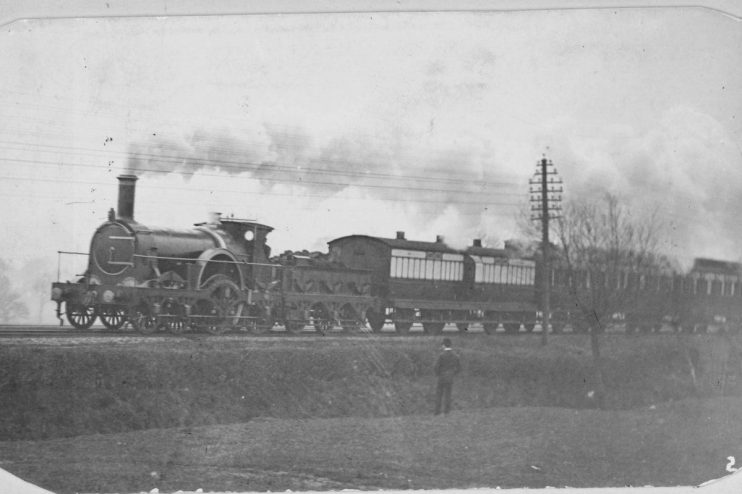
Ironically, our stagnation comes from turning our back on real British liberalism – an older tradition that trusted ordinary people to build, trade, move and improve their lot without needing permission from a priesthood of planners and litigators. The Victorians were free to build. They laid railways, raised cities and expanded capacity at speed.
We, instead, have built a ‘vetocracy’. Even when something is plainly in the majority’s interest, we don’t do it because a tiny, noisy minority isn’t happy – and we call that ‘democracy’, or ‘rights’, or ‘process’. The same instinct runs through everything: regulation, our energy policy, our taxes, the welfare state.
We have abandoned liberalism
Our liberal democracy is under threat not because liberalism is false, but because we stopped practising the version of it that created abundance and consent. The urgent task is to go back to the values and philosophy that made Britain one of the richest, greatest countries in the world.
In practice that would involve the following four components: unblocking the builders; restoring dynamism and backing challenges; rewarding contribution; and rebuilding state capacity and democratic control.
First, we need to unblock the builders. That means building homes in and around the places where opportunity already exists – near jobs, stations and productive clusters. Mayors and development corporations should have the power to approve and deliver local transport links and growth corridors without endless veto points, delay and litigation. It also means ensuring that the places which host growth share in its gains, whether through land value capture, street votes or other mechanisms that turn development from a local burden into a local dividend.
Second, we need to restore dynamism and back challengers. Regulatory frameworks should be reformed to lower barriers to entry and enable new firms to scale effectively, while public policy should cease the support of unproductive ‘zombie’ companies that absorb labour and capital without contributing to growth.
Third, we need to reward contributors. Taxation and welfare systems should be designed to support work, career advancement and family formation, rather than penalising them through perverse incentives. Fraud should be rigorously deterred, and rent-seeking or extractive behaviour curtailed.
Finally, we need to rebuild state capacity and democratic control. People need to believe politics can actually do things and that a government with enough political capacity can carry out its promises. In practice, this means being willing to revisit international agreements, judicial doctrines and regulatory structures that have become instruments of paralysis. If voters ask for something and the system cannot comply, they simply will stop believing in the system.
Making these choices is existential. If we don’t fix the economy, everything else is a sideshow. The only defence of liberalism is to make it work again.
Julia Willemyns is co-founder and co-chief executive of the Centre for British Progress. This is an extract of an essay from her new book, Liberalism Liberated, published by Bright Blue