Londoners can no longer afford the Notting Hill Carnival

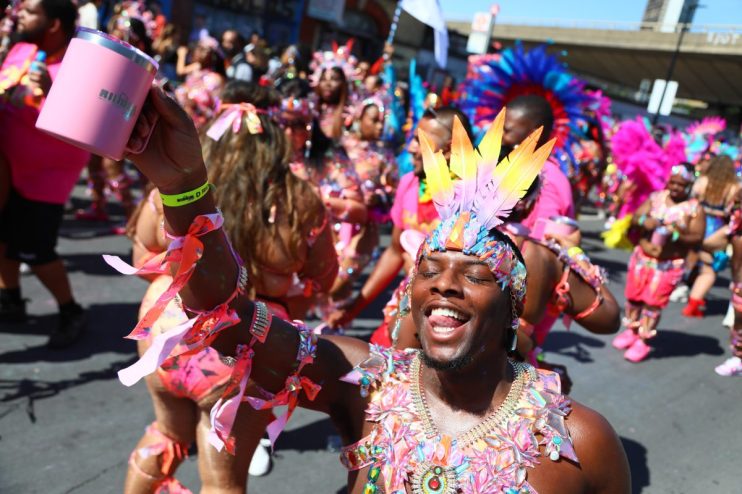
Around 2m people flock to Notting Hill Carnival each year for one of the world’s largest street festivals. But there is no such thing as a free lunch – or a free street party – argues James Ford
I take great exception to the Notting Hill Carnival. Not because the event is associated with an orgy of violent crime and stabbing. Not because of the extent to which it inconveniences local residents. Not even because of the staggering number of police officers injured each year.
My beef is with the economics of the Notting Hill Carnival. And, more specifically, the value that London taxpayers get from it versus the subsidy they must cough up each year. Because, whilst the carnival may seem like a free day out, it is far from it.
The costs of the Notting Hill Carnival
The local authority (the Royal Borough of Kensington & Chelsea) forks out around £1m to clean up the streets after it is done. The policing cost in 2024 was more than £13.5m (up from £11.8m in 2023). But it is the grant from City Hall that has seen the greatest increase in cost under the current mayor. In 2016, the first year of Sadiq Khan’s mayoralty, the Greater London Authority (GLA) chipped in just £340,000. But this year the GLA’s contribution was a whopping £5.6m (a more than 16-fold increase in a decade). In total, the Notting Hill Carnival is now costing London’s taxpayers around £20m a year.
Of course, the defenders of the carnival would cite that, according to a 2024 study by an economist at JN Bank, the event generates around £396m of economic benefit. That implies that for every pound of taxpayer subsidy, the carnival generates nearly £20 of income for the London economy. This, on paper, sounds like a very Keynesian arrangement with the London taxpayers contributing but the private sector reaping all the benefit. If accurate (and I am sceptical), this total would mean that the carnival has more than double the economic impact of the Glastonbury Festival (£168m) and 10 times the value of the Wireless Festival (£30m). Furthermore, that £396m total translates into each of the 2m attendees spending, on average, £198. That buys a lot of jerk chicken and cans of Red Stripe, even accounting for a fair amount of carnival price gouging.
But, even if we accept this rather dubious total, all of that supposed economic benefit disappears into the pockets of traders, food vendors, hoteliers and landlords. Whilst this is no bad thing generally, it does leave London taxpayers shortchanged. A majority of Londoners who do not attend carnival are picking up the tab for the minority of the capital’s population who do (not to mention the estimated 160,000 non-Londoners who attend each year). This seems not just unsustainable but manifestly unfair.
My cost-saving suggestions
But don’t worry dear readers, I have some cost-saving suggestions to protect the taxpayers of London.
Football clubs must pay for the cost of policing inside their stadiums so, in the interests of fairness, the organisers of the Notting Hill Carnival ought to pay for – or at least contribute to – their own policing bill. So, to cover this cost, it’s time that people bought tickets to attend. If each of the 2m attendees paid just £10 each then we could cover the policing costs each year. If carnival goers each have £198 burning a hole in their pockets, a modest admission charge isn’t going to be a deal breaker. (Afterall, tickets for Glastonbury in 2025 cost a staggering £378.50).
More than one third of the policing costs (£5.5m in 2023) is caused by overtime payments because the carnival takes place over a bank holiday weekend. So, moving the event to take place either a week earlier or a week later could yield significant savings.
To avoid the GLA having to fork out £5.6m a year, couldn’t the organisers find the cash from more competitive sponsorship deals? The event already has some corporate sponsorship. Brands like Puma, Bacardi, Red Bull, Grace Foods and Adidas have all sponsored specific zones, stages or sound systems in the past but, conveniently, the carnival organisers have never disclosed how much they make from sponsorship. Given that the Bayeux Tapestry exhibit at the British Museum alone has attracted an estimated £5m in sponsorship from a single billionaire philanthropist, it’s not unthinkable that the Notting Hill Carnival’s organisers can raise a few million quid through better, bigger value deals. Barclaycard, for example, signed a deal to sponsor British Summer Time in Hyde Park for £1.5m a year in 2013 and Pepsi was paying between £1m and £3m to sponsor the Wireless Festival in Finsbury Park in 2026.
Some people might call me a killjoy for taking issue with the Notting Hill Carnival. But I don’t want to cancel the carnival. I just want to stop it being a giant black hole for taxpayers’ cash. Surely, we have better things to spend £20m on each year? If London can’t turn a reasonable profit – or at least cover its costs – on one of the biggest street festivals in the world, then there is something fundamentally wrong here.
James Ford was an advisor to former Mayor of London Boris Johnson