Don’t celebrate the demise of the triple lock, higher taxes are coming

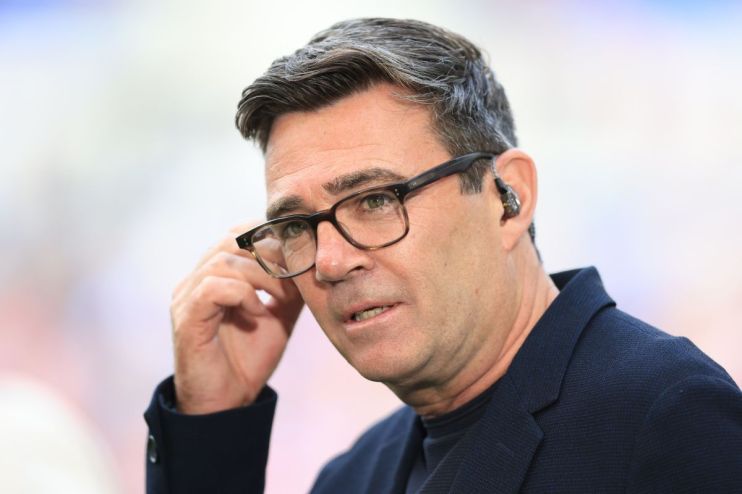
Andy Burnham’s tweak to the triple lock won’t save money, in fact a national social care service represents the biggest non-crisis expansion of the state in decades, says William Nixon
Many commentators welcomed Prime Minister Burnham’s announcement that he will ‘abolish’ the triple lock in 2030. But bond markets had a different take. Yields on long-term gilts actually rose over the course of the speech, suggesting they became more worried about the UK’s fiscal outlook.
The reason is that the proposed changes to the triple lock are unlikely to save much money – almost certainly not enough to cover the significant new spending on ‘free’ social care announced at the same time. That makes higher taxes inevitable – with the £18bn purported cost of the new social care service equivalent to more than a 2p in the pound increase in the base rate of income tax.
The speech suggested the new indexation method will be inflation or 2.5 per cent – whichever is higher – with an additional adjustment occurring to maintain a link to average wage levels over the medium term. For example, if inflation is three per cent and wage growth is four per cent in the first period, the pension will initially rise by three per cent. But if inflation then falls to two per cent while wage growth remains at four per cent in the second period, the pension will rise by five per cent to ensure it keeps pace with the cumulative eight per cent rise in wages over the full period.
It is inconceivable that this new method can lower annual spending on pensions by £18bn by 2030. Indeed, depending on inflation and wages outcomes over the coming years, it’s possible that the changes don’t save any money at all. The public – like the bond market – should be under no illusions that this announcement will solve the UK’s economic and fiscal ills.
Breaking a taboo
Although Burnham should be commended for breaking the taboo over ending the triple lock, to raise the sums needed to fund his care plans, far more radical action on pensions would be required. As Policy Exchange advocated in Beyond Our Means, one could freeze the state pension for three years and then increase it with CPI inflation, which would save around £20bn a year by 2030. Or one could means-test the state pension, as they do in my home-country of Australia.
Alternatively, Policy Exchange has advocated funding social care by switching to a private insurance model, similar to the world-leading systems in Germany or Japan. In this model, workers would pay compulsory premiums from around age 40, with funding also supported by compulsory employee contributions for those below retirement age, and copayments, capped at a proportion of the total cost of the service. This would be a genuine market-based approach, a world away from the state-centred model of a National Care Service that appears to be envisioned.
The plans outlined at Labour conference represent one of the largest non-crisis expansions in state-spending for decades, and a further, potentially permanent, increase in the UK’s tax burden
This leaves only one obvious outcome: higher taxes. As a first step, the government may seek to raise this via targeted tax increases on wealth, capital gains or high-value homes – all measures that would further damage the economy and exacerbate the flight of high-tax-paying individuals from the country. But wealth taxes have a strong track record of failure, and ultimately the sums required will require a broad-based increase in taxation – paid for by ordinary workers and businesses.
Yesterday’s announcement was presented as a funded measure; a trade-off in which the elderly accept a pension that grows slightly more slowly in exchange for fully-funded social care. It is no such thing. The plans outlined at Labour conference represent one of the largest non-crisis expansions in state-spending for decades, and a further, potentially permanent, increase in the UK’s tax burden.
William Nixon is a senior research fellow at Policy Exchange and a former economist at Goldman Sachs, the Reserve Bank of Australia, and the Australian Treasury