Couples are divorcing after longer marriages, with consequences for their pensions

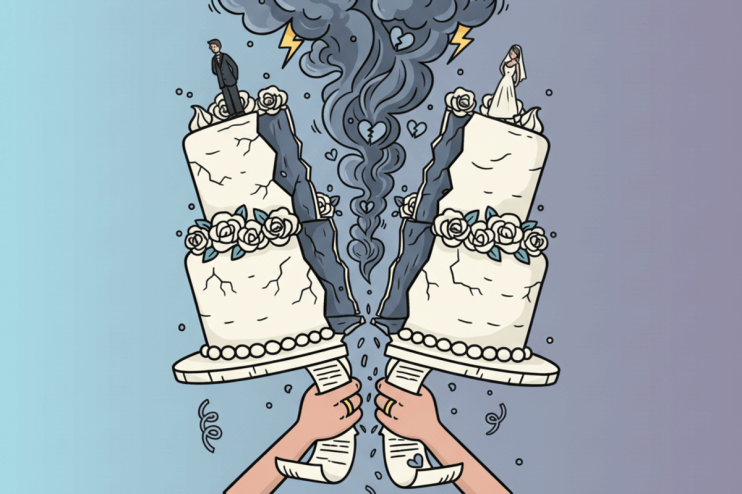
A quarter of divorcing couples have been married more than 20 years, making negotiations over pensions and inheritance more complicated than ever, says Liza Gatrell
New ONS statistics from September 2026 reveal that marriages ending in divorce in 2025 reached the longest duration since this set of records began over 60 years ago. One of the most notable statistics was that some 26 per cent of couples divorcing had been married for over 20 years. These ‘long marriages’ bring distinct legal and financial challenges. Joint assets, including bank accounts, property and businesses, can require complex negotiations involving multiple professionals, creating practical and emotional difficulties.
Pensions are often a significant issue. After a long marriage, many couples are approaching retirement. Divorce can derail those plans, particularly for the party with fewer pension savings. One spouse may have stepped back from their career to care for children and the household. While this arrangement works when couples share a future, failing to consider pensions during financial negotiations can have significant consequences.
Wives, in particular, may not ask for a share of their husband’s pension due to misunderstandings about their legal rights. Pensions built up during marriage are matrimonial assets, even when held in one person’s sole name, and can be divided on divorce. This does not necessarily mean sharing the pension itself; its value may be offset against another asset, depending on the receiving party’s preference. However, it must be considered when assessing long-term financial security. In some long marriages, one or both parties may have already retired and have a pension currently in payment. This can cause further complications and specialist advice from a pensions on divorce expert will be needed.
Estate planning
Alongside dividing assets during divorce, couples must also consider what happens to their estate if one of them dies. After a long marriage, estate planning is often based on the assumption that a spouse will inherit their share of the matrimonial home, or that their children will inherit if their spouse dies first. Many couples have relied on these arrangements for decades, yet some have no Will in place at all.
We recommend creating or updating a Will during divorce proceedings and again after the Final Order is granted. Divorce changes your legal status and, often, what you want to leave your ex-partner. Following divorce, your ex is treated as having died for the purposes of your Will, meaning gifts to them generally take effect as if they had died before you. Some clients still want their ex to inherit, so ensuring a Will reflects their wishes can help reduce the risk of disputes if they die during proceedings or after the divorce is finalised.
Divorce involves more than the legal dissolution of a marriage. It carries financial, practical and emotional implications that require professional insight, particularly for couples separating after decades together with multiple shared assets.
Liza Gatrell is a managing partner at Stowe Family Law