Nationalise Thames Water and block private rescue deal, MPs tell Burnham

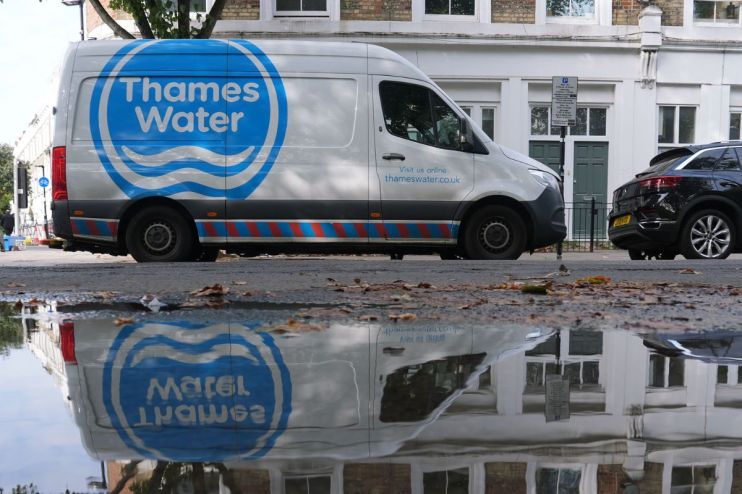
Andy Burnham and his government are facing increasing pressure to take control of Thames Water after a group of MPs warned a rescue deal led by its creditors should be rejected.
A group of the stricken utility’s lenders, known as London & Valley Water, is vying to seize control of the company in a £10bn rescue deal but MPs have urged the government to step in before this happens.
The Environment, Food and Rural Affairs (EFRA) committee said the plans do not have “the interest of the public, the company or the environment at heart”, and bidders instead care more about extracting “immediate value”.
Alistair Carmichael, chair of the committee, said: “Thames Water’s 16m customers have largely lost faith.
“We believe Thames Water can be turned around, but not by giving the keys back to the people who have been joy riding in the family car.”
Nationalisation push
The committee instead called on the government to push ahead with a special administration regime, a form of nationalisation which would see officials and Ofwat, the water regulator, appoint an administrator to manage the business before it collapses into insolvency.
MPs urged the government to bring in emergency legislation to push through the administration in order to “draw a line under this debacle and restore stability in the sector”.
“The chaos of another Thames Water-style saga must not be repeated, and steps must be taken to stop the ‘doom loop’ that besets some companies, where fines for failure compound their inability to improve and lead to increased customer bills,” said Carmichael.
Crushing debt pile
Thames Water has been struggling under a debt pile of more than £20bn and has admitted that it faces running out of capital by the end of the year.
But creditors, including Apollo and Elliott Asset Management, had their initial rescue plan be rejected by former environment secretary Emma Reynolds in June, who argued it did not go far enough to protect both customers and the environment.
The lenders said they will inject billions into the business to upgrade the UK’s outdated water network. It also committed to paying no dividends until 2035 and offered the government a share in the business.
A spokesman for L&VW consortium said their proposals will “address all feedback from Ofwat and Ministers” and offer the “fastest route to fix Thames Water’s complex problems”.
“The plan will write off billions of pounds of debt to achieve an investment grade rating and provide £10bn of new capital from experienced investors to improve and upgrade Thames Water’s infrastructure and clean up local rivers,” the person said.
“All fines Thames Water faces will be paid, all profits will be reinvested, and no dividends will be taken until the company is turned around and returned to the public markets. There will be no cost to the Government or taxpayers, and customers will be protected from the costs of Thames Water’s restructuring.”
Before taking control of No 10, Burnham said that he wanted to bring in a 10-year plan to renationalise the water industry, saying reform was needed to put the public interest first.
But the Government has since remained quiet on any renationalisation plans for Thames Water. The Department for the Environment, Food and Rural Affairs (Defra) insisted all options were still under review.
A Defra spokesperson said: “Thames has been failing the public for a long time, and this Government has been clear that nothing’s off the table when it comes to a solution that delivers for customers and the environment.”
A Thames Water spokesperson said: “Turning Thames Water around will take a decade and require significant and sustained investment in our infrastructure, but we are already making progress and this is a different business from the one it was two years ago.
“To sustain that turnaround, Thames Water needs to be recapitalised and put on a firm financial footing, including returning to an investment-grade credit rating, so we can continue investing for our customers and the environment over the long term. Anything that delays the recapitalisation risks slowing the turnaround, disrupting investment and increasing the cost of delivering the improvements our customers and the environment need.”