Burnham will fail unless he pivots on net zero

Andy Burnham can’t reindistrialise, create jobs or drive down the cost of living while remaining committed to decarbonisation at any cost, says Joseph Dinnage
Andy Burnham has promised a political revolution. Through his programme of devolution, the Prime Minister will apparently create new jobs, reindustrialise Britain and preside over new housing. Very laudable. Though he won’t get anywhere near achieving any of this unless he pivots on Net Zero, which has made all of this far more expensive.
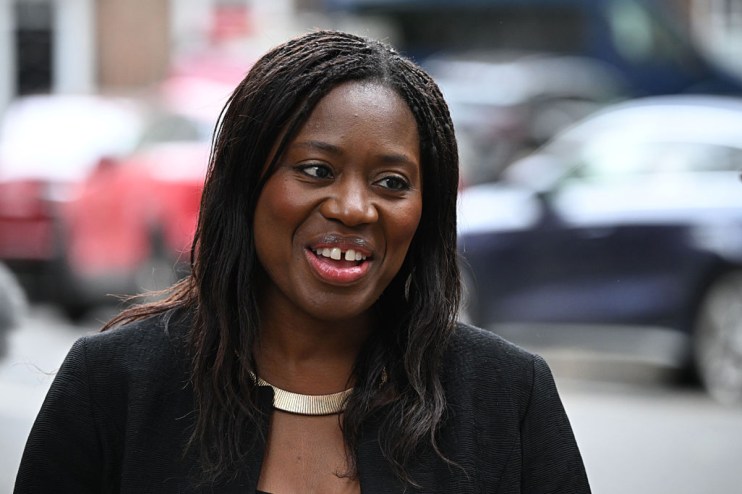
During his campaign, Burnham brought on Peckham MP Miatta Fahnbulleh to advise him on economics. The left-wing firebrand is now Energy Secretary. Prior to becoming an MP in 2024, Fahnbulleh ran the left-leaning New Economics Foundation think tank, where in 2019 she called for Britain to achieve Net Zero ‘within 10 to 15 years’, even more ambitious than the then government’s own target – she even called Ed Miliband a ‘pragmatist’.
Last week, the Energy Secretary took to the airwaves to discuss news that energy bills are set to rise by four per cent from October. Ofgem, the regulator, has said that the new cap for about 22m households was equivalent to £1,723 a year for a typical household’s gas and electricity use, up from £1,663 for the July to September period. While Fahnbulleh continued to emphasise her commitment to “decoupling us from gas and global fossil fuel markets” in the long-term, she accepted that the market should be reformed so that it “ultimately works for consumers”.
Net Zero costs £1,400 per household
We at the Prosperity Institute have long argued that our hurtle towards Net Zero has only made this worse. Last month, we published research showing that plans to decarbonise Britain’s energy network will be adding £40bn a year to our energy bills by the end of the decade, equivalent to more than £1,400 per household. Net Zero also stands in the way of Burnham’s promised manufacturing revolution. Prosperity research from the end of the last year found that the increased cost of carbon has meant that cement production is now just 72 per cent of its peak in 2007, while imports are up 108 per cent, leading to the price of cement rising 15 per cent above inflation between 2015 and 2024.
Just this week, the think tank Civitas published damning research on the impact of Net Zero. According to the report, while Britain has made some of the fastest progress in decarbonising its electricity system, we face the highest industrial power prices for more than a decade among major manufacturing economies. Industrial users in the UK paid an average of £238 per megawatt-hour for electricity last year. The average was £138 in Germany, £112 in France, £73 in India, £65 in the United States and £44 in China.
The evidence is clear, and Burnham and Fahnbulleh are at a crossroads. With debates raging within the Labour Party over whether to grant permission for two new oil and gas fields, Rosebank in the North Atlantic and Jackdaw in the North Sea, the government has a chance to break with the past.
The Prime Minister often likes to portray himself as a man of the people, now he has an opportunity to walk the walk. Moral grandstanding on this issue by those within both the Conservatives and Labour has cost hard-working Britons and businesses dearly, all the while having a negligible impact, if any, on reducing global temperatures. Cheap and abundant energy is the foundation of national prosperity, and if this administration has any interest in achieving that, it will ignore the dinner party set and prioritise the needs of working people.
Joseph Dinnage is senior press officer at the Prosperity Institute